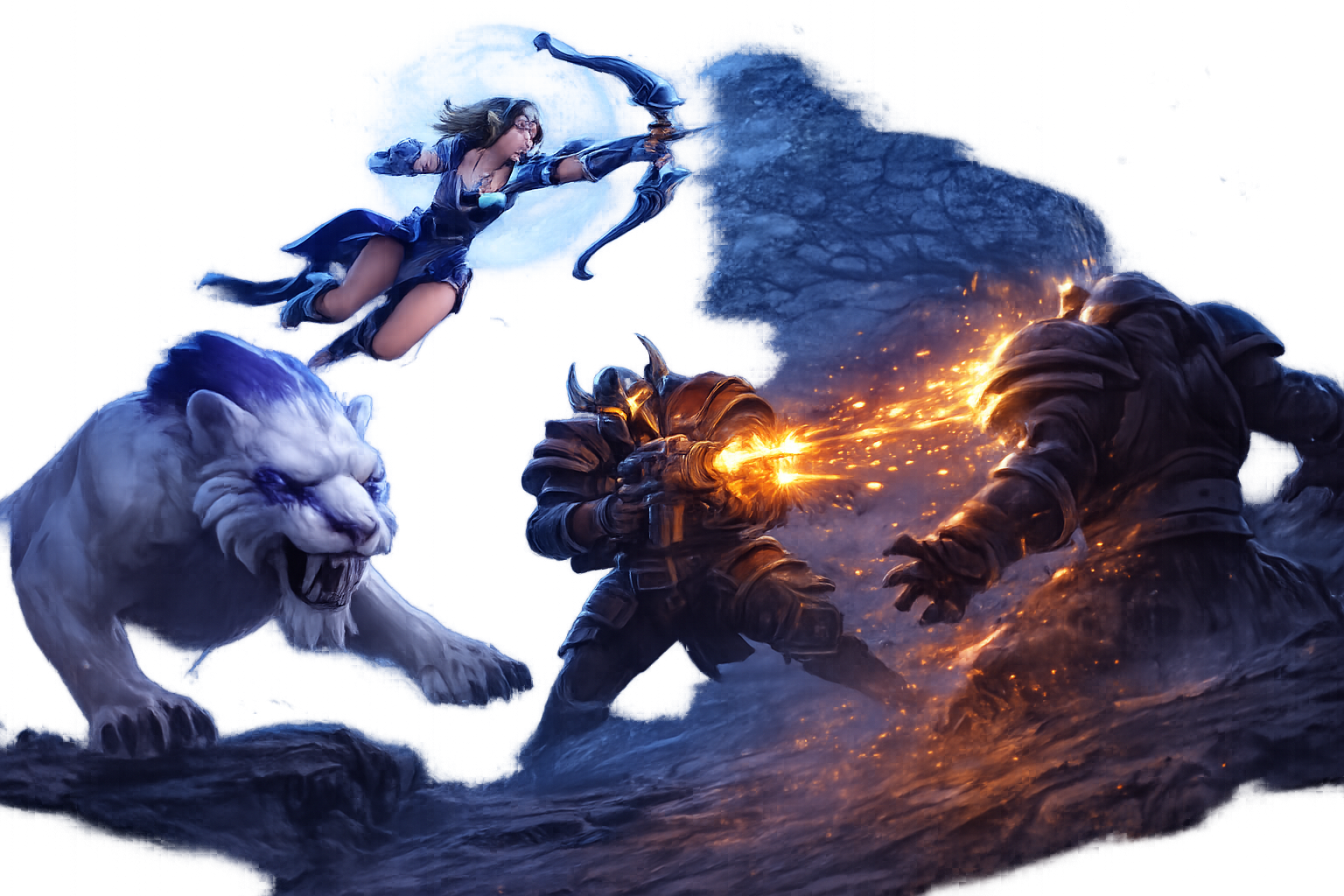
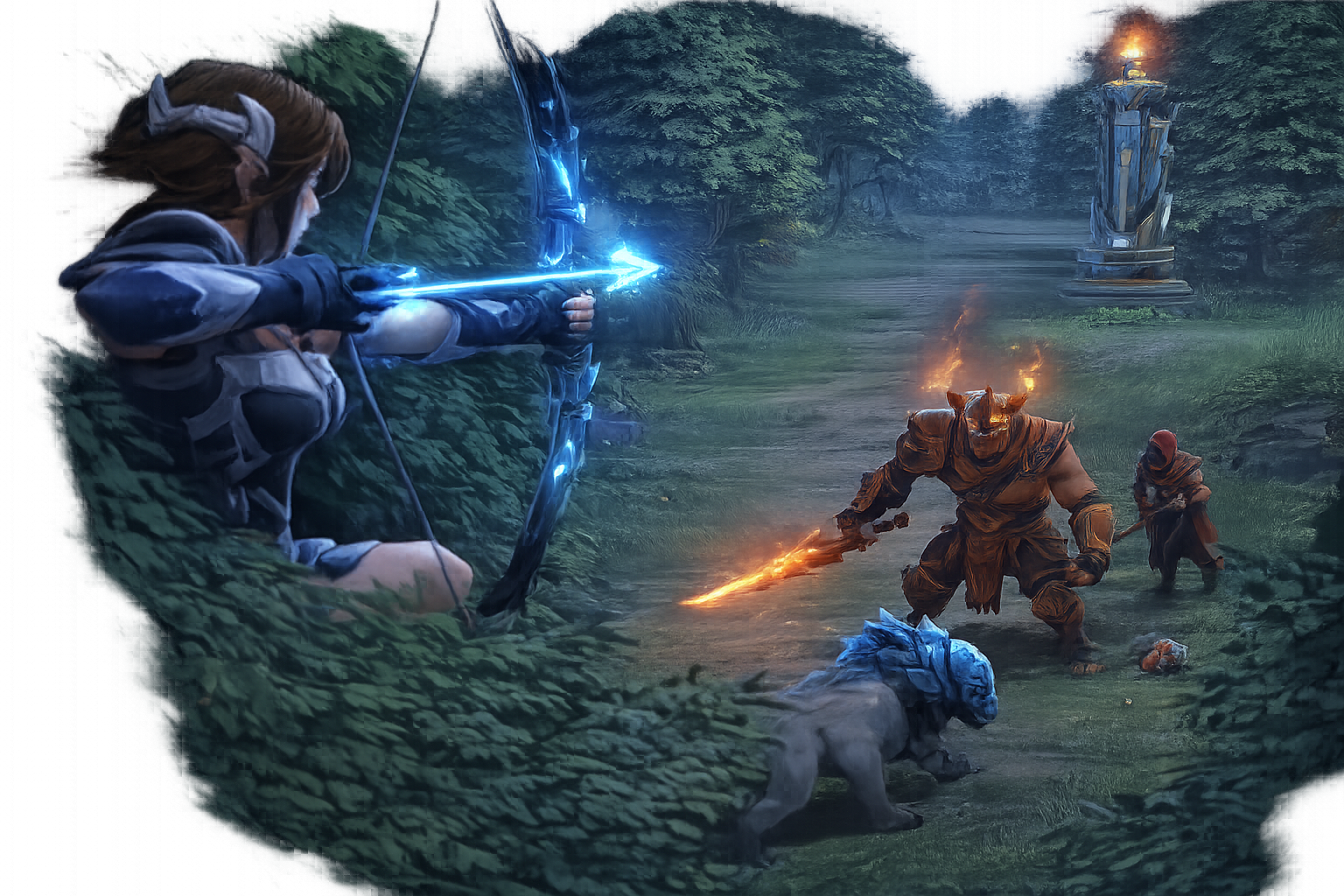
Position 5 Mirana is the hard-support version of a hero many players still mentally file under greedy roamers and missed arrows. You load into lane, your carry is trying to secure the first ranged creep, the offlaner walks up like he owns the wave, and suddenly Leap turns the trade. Your carry gets to hit faster, Mirana gets to actually stand her ground, and the enemy lane has to respect a support that used to spend too many lanes praying for a miracle Sacred Arrow. That shift is why the pick feels real now.
Mirana finally has a lane job
Mirana has always had pieces of a support kit. Sacred Arrow can win fights before they begin. Moonlight Shadow creates map pressure and saves teammates from sloppy overextensions. Starstorm gives her burst when she can play close enough to use it. Leap lets her take angles other supports cannot.
The problem was lane responsibility. Position 5 has a brutal checklist: secure your carry's first waves, contest pulls, trade without feeding, keep vision honest, and still arrive at minute ten with enough game impact to matter. Old Mirana often failed that first part unless the lane already had setup for Arrow. If the arrow missed or the enemy simply played behind creeps, she could feel like a ranged creep with escape charges.
The current version changes that because her innate interaction with Leap gives her a reliable way to improve lane trades. The attack-speed buff attached to Leap matters more than it looks on paper because it converts a support movement spell into a shared laning steroid. Your carry gets extra hits during the exact windows where small advantages decide the wave: ranged creep contests, level two pressure, and punishment when the offlaner walks up for a last hit.
That is the key. Mirana no longer needs every lane to revolve around landing a raw Sacred Arrow. She can win ordinary Dota exchanges.
The Leap buff changes the math of trading
Lane trades are usually decided by who gets to hit for free while the other hero is busy doing something else. A carry last-hitting under pressure is vulnerable. A support pulling aggro can be punished. An offlaner stepping into the wave for the ranged creep is asking to be clicked.
Mirana's Leap buff gives your carry a stronger answer in those moments. The value is especially obvious when your carry already wants short, violent trades rather than long chase sequences. You Leap near them, they swing faster, and the enemy offlane suddenly takes more damage than expected. The trade becomes awkward for them because chasing Mirana is dangerous, ignoring the carry hurts, and backing off gives up lane control.
This also fixes one of Mirana's oldest support problems: her trading used to be too selfish. Leap helped her reposition, but your carry often gained nothing from it. Now the spell can act like a lane timing tool. You are still keeping yourself safe, but the carry receives a real combat benefit at the same time.
Good Mirana 5 players use Leap like a tempo button. You do not spam it because the animation looks cool. You hold it for the creep that matters, the enemy spell that whiffs, the support who steps too far forward, or the moment your carry can commit without eating a full counterplay rotation. Bad Mirana players spend Leap escaping trades they should have won. Good ones make the opponent regret starting the trade at all.
Sacred Arrow is better when it stops carrying the whole lane
Sacred Arrow is still the spell everyone remembers, for better and worse. A five-second arrow from fog feels disgusting. A point-blank whiff into the ranged creep feels like content for your opponent's mental highlight reel.
As a position 5, Mirana cannot afford to build her entire lane around hero-arrow roulette. The strength of the pick now is that Arrow becomes a bonus threat layered on top of reliable harassment. You trade with right-clicks and Starstorm pressure, you use Leap to amplify your carry, and Arrow punishes predictable movement.
That means aiming at moments when the enemy is constrained. Pull camps, lotus contests, retreat paths near trees, and follow-up after a friendly disable are where Arrow earns its slot. Throwing it from the river into two heroes standing behind a full creep wave is just donating cooldown. Mirana's best arrows as a hard support often come after you have already won the small positioning battle.
The spell also has lane utility beyond hero kills. It can secure ranged creeps or punish neutrals during pull interactions. That sounds less glamorous than sniping a mid player from fog, but position 5 is built on unglamorous wins. If your carry gets a cleaner lane because Arrow denies the enemy support's pull rhythm, that is real impact.
Starstorm gives Mirana the punish she used to lack
Starstorm matters because Leap alone does not kill anyone. The attack-speed buff creates a window, and Starstorm helps cash it in when Mirana can safely step forward. This is where positioning separates actual support Miranas from tourists.
You want to hover close enough that enemies fear the nuke, but far enough that a single stun does not turn you into first blood. Against melee offlaners, this can be miserable for them. They step up, your carry gets buffed, Mirana adds burst, and suddenly their regen plan looks optimistic.
Against heavy kill lanes, you have to respect the line. Mirana is slippery, but position 5 Mirana who burns Leap aggressively into double disable can still die like any other support. The hero rewards confidence, then punishes ego. There is a difference between pressuring the lane and cosplaying as a frontliner.
The pick still has real draft problems
Mirana 5 becomes much worse when your lineup lacks dependable control. Sacred Arrow is powerful follow-up. Raw Arrow as your team's only reliable stun is a pub draft crime scene waiting to happen. If your offlaner picked a low-control aura carrier, your mid wants to farm, and your carry has no disable, Mirana support forces your team to win fights through damage and positioning alone. Some games can handle that. Many cannot.
She also dislikes lanes that can ignore her poke and hard-commit through Leap timing. If the enemy support has strong catch and the offlaner can burst your carry during a single disable chain, your cute attack-speed trade may never become a trade at all. The same applies when your carry is weak early or wants to avoid interaction until key levels. Mirana can help them hit faster, but she cannot magically turn every lane partner into a brawler.
The best partners are cores who use extra attack speed immediately and threaten when enemies step up. Carries with slows, mini-stuns, or strong early damage make Mirana's lane much cleaner. Any teammate who can hold someone in place also raises Arrow's value dramatically. You do not need a full combo draft, but one dependable setup spell makes the hero feel twice as stable.
Itemization should stay boring early
The trap is building Mirana like a highlight reel hero. Position 5 Mirana needs the same boring early discipline every hard support needs: regen, vision, sentries when the pull war demands them, and small survivability items that let you keep playing the lane. A Magic Stick is excellent when the matchup feeds charges. Boots and Wind Lace help you maintain the angles that make Arrow and Leap threatening. Wand keeps you alive through the messy skirmishes Mirana tends to create.
After that, the game decides. If your team needs saves, buy save items. If your carry needs help surviving the first jump, lean that way. If fights are long and you can safely contribute repeated spells, mana and utility become more attractive. Greedy damage items can work from ahead, but they are a luxury. The hero's support value comes from positioning, vision play, and timely buffs before it comes from pretending to be a fourth core.
This is where many Mirana 5 games are lost. You win lane, buy something indulgent, then your carry dies to the first smoke because nobody has the defensive item your draft required. The enemy does not care that you had a cute laning phase if your midgame presence becomes arrows from max range and a prayer.
Moonlight Shadow is a pub multiplier
Moonlight Shadow has always been one of those spells that gets stronger when opponents are lazy. Pubs are lazy. Detection is late, supports are broke, cores forget Dust exists until after the fight, and everyone assumes someone else is handling vision.
For position 5 Mirana, that makes the ultimate more than a save. It can reset a bad skirmish, start a smoke-style move without using Smoke, or let your team cross dangerous map space. The spell also plays well with Mirana's support identity because she often wants to be on the edge of fights rather than standing in the middle. You can cast it before the engagement breaks open, then look for Arrow angles while the enemy hesitates.
The danger is using it as a panic button after the fight has already collapsed. Moonlight Shadow is strongest before enemies commit cleanly. Cast it early enough that your team gains initiative or escapes the first wave of danger. Waiting until two heroes are stunned and your carry is already revealed by damage often turns it into a cosmetic effect.
Why the pick feels so good in ranked
Ranked lanes are full of sloppy micro-moments. Supports misjudge right-click ranges. Offlaners greed for ranged creeps. Carries hesitate during trades because they are unsure whether their support will follow. Mirana's new lane pattern punishes all of that.
The Leap buff gives your carry a simple signal: hit now. That matters in solo queue, where communication is mostly pings, vibes, and mild distrust. When Mirana Leaps forward and the carry suddenly attacks faster, the lane plan becomes obvious. You do not need a voice comm dissertation. The spell tells your partner the fight is live.
She also scales better than many lane-focused fives because Arrow and Moonlight Shadow never stop having game impact. A support who wins lane and later provides pickoff threat is valuable in pubs, especially when games drag and vision gets weird. Mirana can sit in fog, threaten a long stun, shove dangerous waves with caution, and save herself from some mistakes that would kill a slower support.
That safety is a double-edged benefit. It lets good players take aggressive warding routes and escape. It lets bad players excuse terrible positioning. If every Leap charge is spent correcting your own greed, the hero's strength disappears. The current Mirana 5 is powerful because Leap creates pressure for your team, not because it lets you abandon them when the lane gets hard.
The grief-pick reputation is earned, but outdated
Mirana support has baggage because plenty of players picked her as a low-responsibility support: stand in trees, fish for arrows, avoid buying enough support items, then blame cores for doing nothing with a lane that received no help. That version deserved every eye-roll.
The modern position 5 version asks for more work. You have to trade actively. You have to manage Leap charges like a resource. You have to understand when the attack-speed buff changes a matchup. You have to play the pull camps, body-block, contest vision, and still threaten Arrow from angles that force respect.
That is a real support. A stylish one, sure, but still real.
Pick Mirana 5 when your carry can use the buff, your draft has enough control elsewhere, and you are ready to play the first ten minutes like a lane bully rather than a roaming lottery ticket. The hero is strong because she finally brings dependable value before the arrows start landing. Once those arrows do land, the lane can get ugly fast.