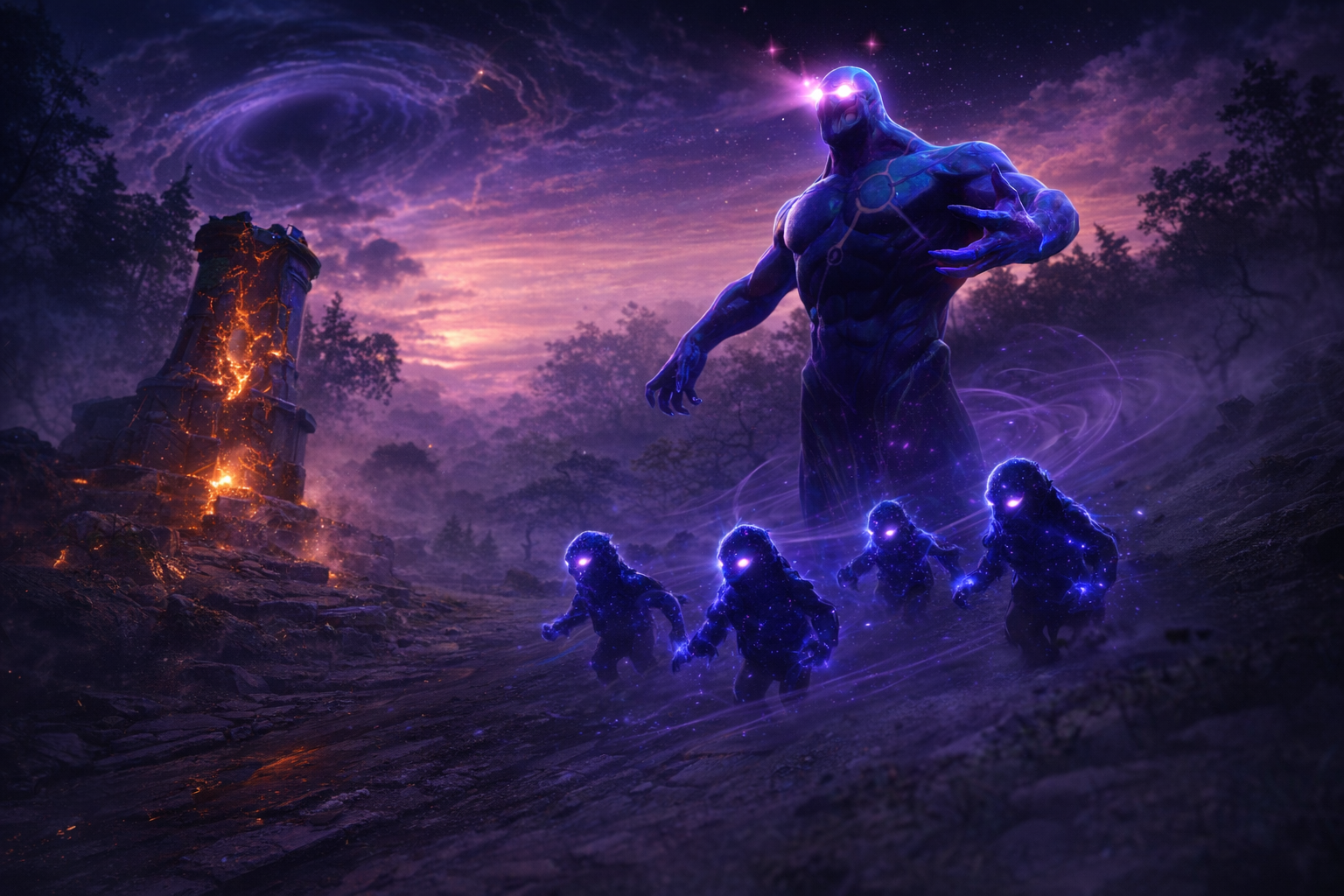
Stop Treating Enigma Like a Black Hole Bot
The easiest myth about Enigma is that he comes back whenever Black Hole is overtuned. You know the game: your safe lane looks playable for about two waves, then your ranged creep disappears, four little blue demons start chewing through everything, and your support is suddenly tanking creeps under the tower like a hostage negotiator. Ten minutes later, Enigma has farm, your carry has half a game, and every push feels illegal because one bad clump ends the fight. The hero can look weaker than older versions on paper and still be miserable to play against because the current meta rewards exactly what he already wants to do.
Enigma wins now because he taxes the lane, farms without asking permission, and scales from the offlane without needing to pretend he is just an aura delivery service. Black Hole is still the spell everyone fears, but the games are often decided long before the highlight reel.
The Old Enigma Fantasy Was Too Narrow
Older Enigma identities were easy to understand. Get lane, get Blink, get BKB, find the monster Black Hole, maybe refresh the fight later. Some patches made Midnight Pulse feel absurd. Some versions of the hero had cleaner summon play, stronger talents, or more forgiving item paths. If you played Enigma for years, the current version can feel strangely modest compared to the degenerate memories.
That comparison misses the bigger shift. A hero can lose pieces of historical power and gain win rate because the game around him changed. Enigma benefits from a meta where offlaners are allowed to become real cores again. He does not have to sprint into every early fight to justify his existence. He can farm toward meaningful timings, pressure towers with units, and show up when Black Hole changes the map state.
For a long stretch, offlane felt like a job application for team utility. Buy the auras, stand in front, start fights, die beautifully. Enigma can do some of that when required, but forcing him into that shape trims away the parts of the hero that actually make opponents miserable. When the role opens up for secondary scaling cores, Enigma stops feeling like a greedy exception and starts looking like one of the cleanest answers to the lane-and-farm economy of the patch.
Demonic Conversion Is the Real Lane Spell
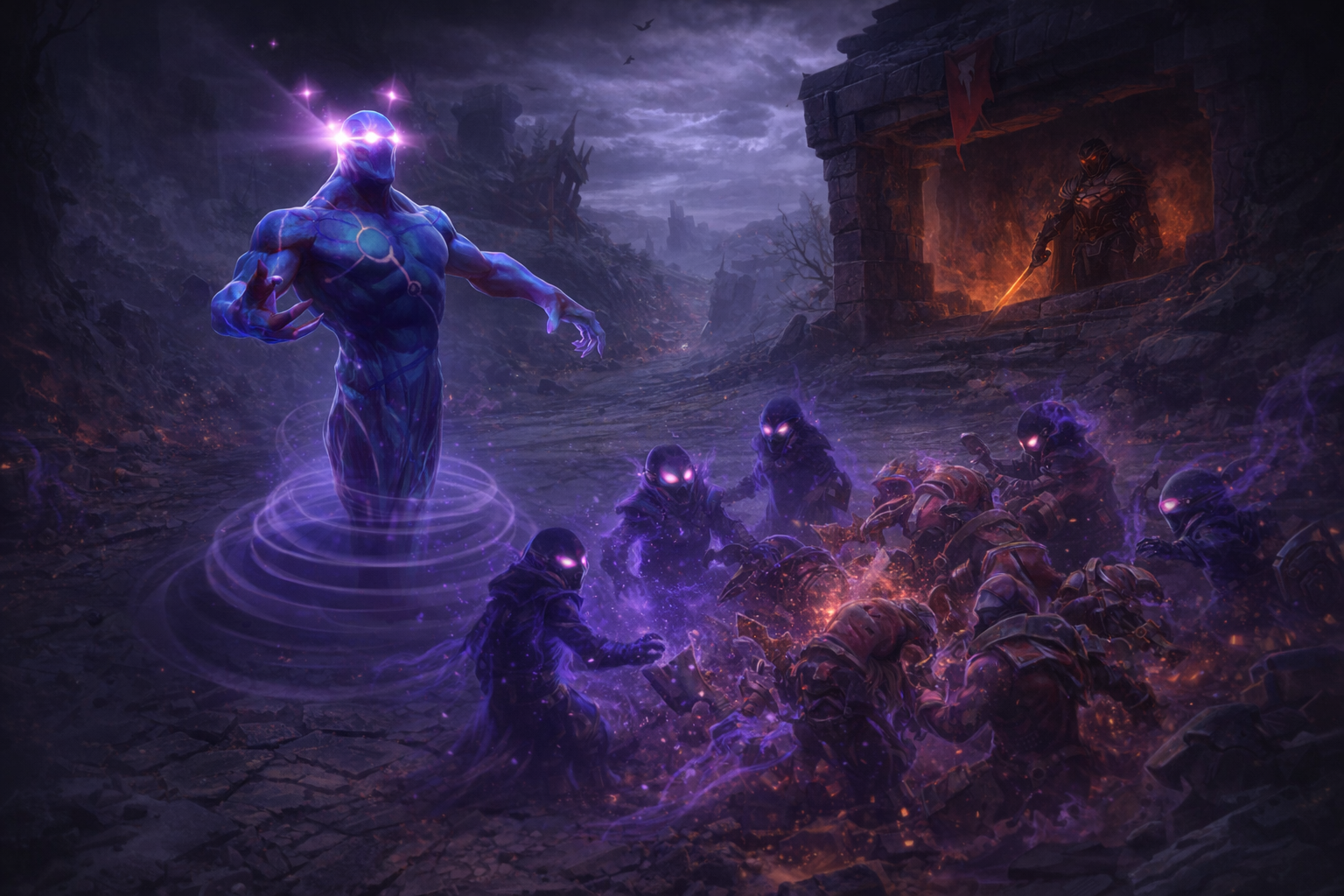
Demonic Conversion is one of those spells that gets reduced to summons in casual analysis, then decides the entire lane. Turning a creep into eidolons changes equilibrium, denies resources, and creates immediate pressure that most safelanes hate dealing with. The ranged creep is often the most contested unit in early lanes because of how much it affects experience and wave control. Enigma can attack that structure directly.
The eidolons also create a specific kind of annoyance. Killing them takes attacks, attention, and often spells. Ignoring them means eating damage, losing creeps, or watching them multiply if Enigma manages the wave well. A carry who wants a clean first few levels gets dragged into a mini-game they did not draft for.
This is why the hero feels like he auto-wins so many lanes. He brings ranged pressure from an offlane slot without needing to be a traditional ranged offlaner. He can contest pulls with units, block or harass support movement, and keep the lane shoved when that benefits him. Against melee carries with limited early wave clear, every creep wave becomes a negotiation Enigma is favored to win.
There are answers. Heroes with easy multi-hit damage, cheap area clear, or lane plans that punish summons can keep the eidolon engine under control. Gyrocopter-style lanes are the cleanest example: when a carry can quickly erase units while still playing the wave, Enigma loses a lot of his free leverage. The issue is draft frequency. Many safe lane picks are built to scale through a lane they expect to win. Enigma attacks that expectation from minute one.
The Carry Meta Makes His Lane Better
Safe lanes have grown greedy in feel even when the heroes themselves are active later. Carries want stable lane control, predictable pulls, early last-hit security, and supports who can leave once the lane is solved. Enigma breaks that script.
He punishes carries who need time before they can clear summons. He punishes supports who rely on pulling to fix lane state. He punishes passive duos that assume the offlaner will eventually back off and recover in jungle. Enigma is perfectly happy with the lane becoming ugly because ugly lanes favor the hero with controllable units and built-in deny mechanics.
The support matchup matters as much as the carry matchup. If the enemy position five cannot threaten Enigma directly, cannot clear eidolons efficiently, or cannot stop him from manipulating waves, the lane becomes slow suffocation. The carry gets fewer clean creeps. The support spends gold and health solving problems that respawn every wave. Enigma walks away with levels and a path into the jungle whenever the lane no longer serves him.
That last part is brutal. Some offlaners crush a lane and then need help converting it. Enigma can convert lane advantage into farm by himself. Eidolons clear camps. They push waves. They threaten towers if ignored. He does not need a perfect rotation from mid to turn pressure into money.
The Offlane Role Shift Removed His Biggest Pub Burden
The modern Enigma does not want to be judged only by whether he Blink-Black-Holed three heroes at minute fifteen. That play is still beautiful. It also creates a trap: when Enigma players feel forced to fight too early, they skip the economic reason they picked the hero.
The current offlane environment gives him breathing room. Mid heroes are often expected to be active earlier, absorb tempo responsibility, and make the first real map moves. That gives Enigma time to reach the items that make his game stable. Blink and BKB remain the classic conversation because Black Hole needs delivery and protection, but he can now make greedier choices when the game allows it.
That freedom matters. Hand of Midas, faster Scepter routes, earlier scaling components, or delayed aura commitments all become realistic when the draft has other ways to start skirmishes. Enigma still buys team items when the game demands them, but he no longer has to lock himself into aura bot poverty every match. A hero with this much farm acceleration becomes far scarier when his item build is allowed to reflect the actual game.
The result is a cleaner division of labor. Let the early tempo heroes scrap. Let Enigma pressure lanes, protect his timings, and threaten the fight that decides Roshan or high ground. When the enemy lineup is forced to respect Black Hole before it has the tools to comfortably break formations, the whole map shrinks.
Black Hole Wins Fights Before It Is Cast
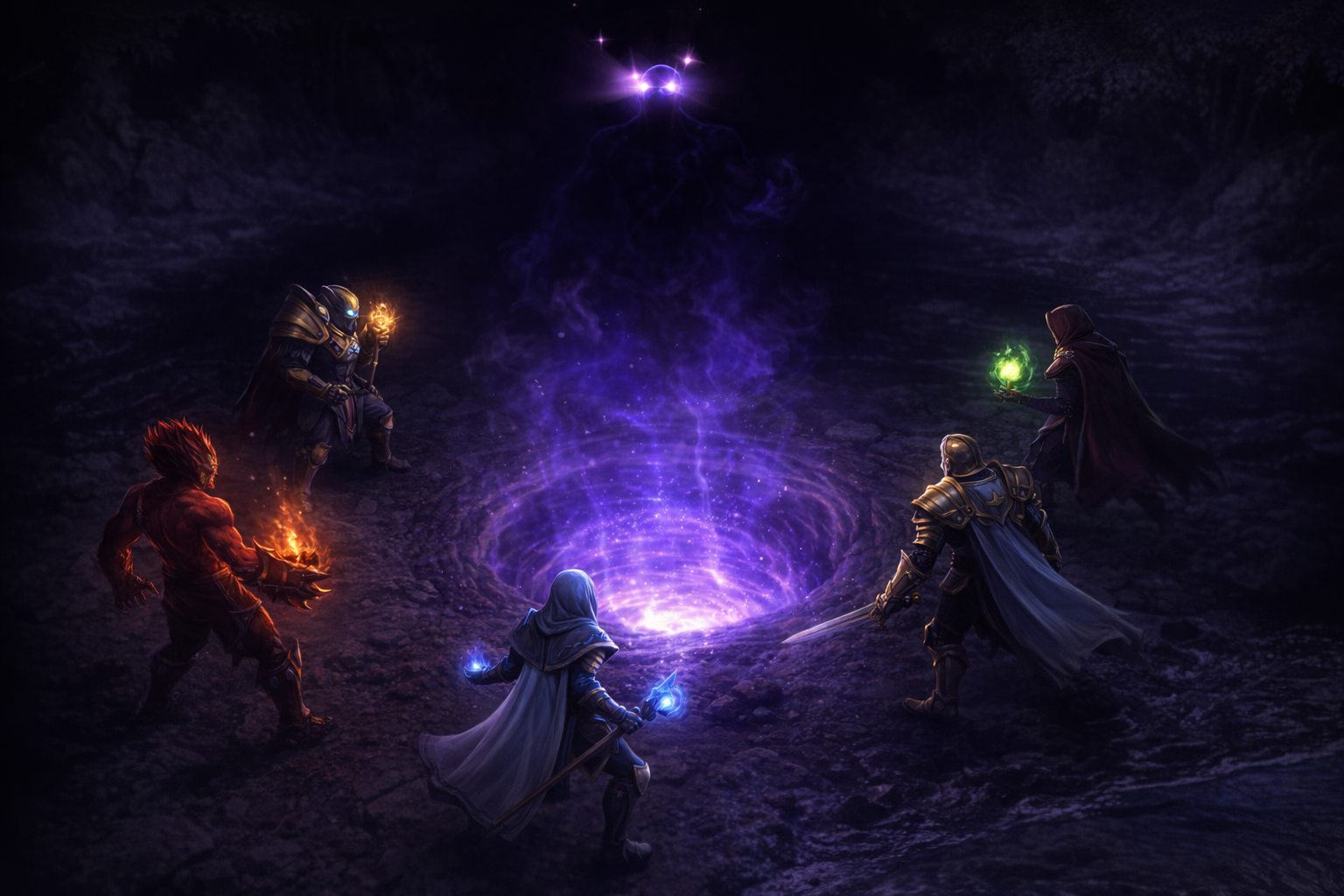
Black Hole is the loud part of the hero, so it gets blamed for every Enigma game that feels unwinnable. The real power is how the spell changes enemy movement before Enigma presses it.
Teams spread wider than they want. Supports hold spells instead of using them freely. Carries hesitate to hit towers. Initiators second-guess jumping because Enigma might be behind the target. Every smoke into him carries the risk of walking uphill into the one spell in Dota that still makes veteran players yell over voice comms.
This is why Enigma scales psychologically as well as economically. A farmed Enigma with Black Hole available creates invisible terrain. Chokes become dangerous. Roshan becomes harder. Sieges require discipline. Even if he catches only one critical hero, the threat of a bigger Hole often prevents the enemy from committing properly.
The cooldown is the obvious balancing lever. When Black Hole is down, opponents must take space, force objectives, and make Enigma defend without his ultimate. Pubs are terrible at this. Teams win a fight, see Black Hole used, then farm three camps each while the window evaporates. Enigma loves hesitation. His entire hero is built around making the game slow enough for the next timing to arrive.
Aghanim's Is a Multiplier, Not the Explanation
Aghanim's Scepter gets attention because it gives Enigma another way to make already-bad fights feel doomed. Depending on the patch, Scepter has pushed his area control, damage profile, or unit-based pressure into a much uglier place for opponents. The exact appeal changes, but the strategic role stays consistent: it rewards Enigma for reaching a game state where enemies already struggle to stand near him.
That distinction matters. Rushing to explain Enigma through Scepter alone skips the first fifteen minutes where he earned the gold. The item feels oppressive because the lane was won, the map was farmed, and the enemy lineup is already playing around Black Hole. Scepter adds another layer to a problem that began with creep waves and eidolons.
It also fits the new offlane economy. When Enigma has permission to scale, Scepter becomes a natural progression instead of a luxury fantasy. If the team needs utility first, he can adapt. If the game is slow and controlled, he can buy into greed and become a structural threat rather than a single-cooldown hero.
That is the uncomfortable part for opponents. You can draft saves and cancels for Black Hole. You can plan spacing. You can buy defensive items. None of that automatically solves the eidolon pressure, tower chip, lane shove, and farm speed that got him there.
Why He Feels Weak in Your Hands and Broken in Theirs
Enigma has always had a weird player-experience gap. When you play him, every mistake is obvious. Lose eidolons early and the lane feels bad. Miss a Black Hole and your hero becomes a walking apology. Buy the wrong item and you spend ten minutes feeling like you are late to your own game.
When you play against him, every strength is visible. Your carry is annoyed. Your tower is under pressure. Your team refuses to group naturally. A single fog angle can ruin a fight. The enemy Enigma always seems to have farm because the hero has multiple ways to generate it even when the lane gets messy.
That mismatch creates the sense that the hero is both weaker than before and unbeatable now. His old versions may have had flashier numbers or nastier spell interactions. The current version gets to operate in a meta that stops punishing his greed as harshly. He is less about one absurd combo and more about relentless economic irritation backed by the threat of a fight-ending ultimate.
That style is harder to feel from the pilot seat because it lacks a single moment where the hero announces himself before the big fight. The enemy feels it every wave.
Pub Games Are Built to Lose to Him
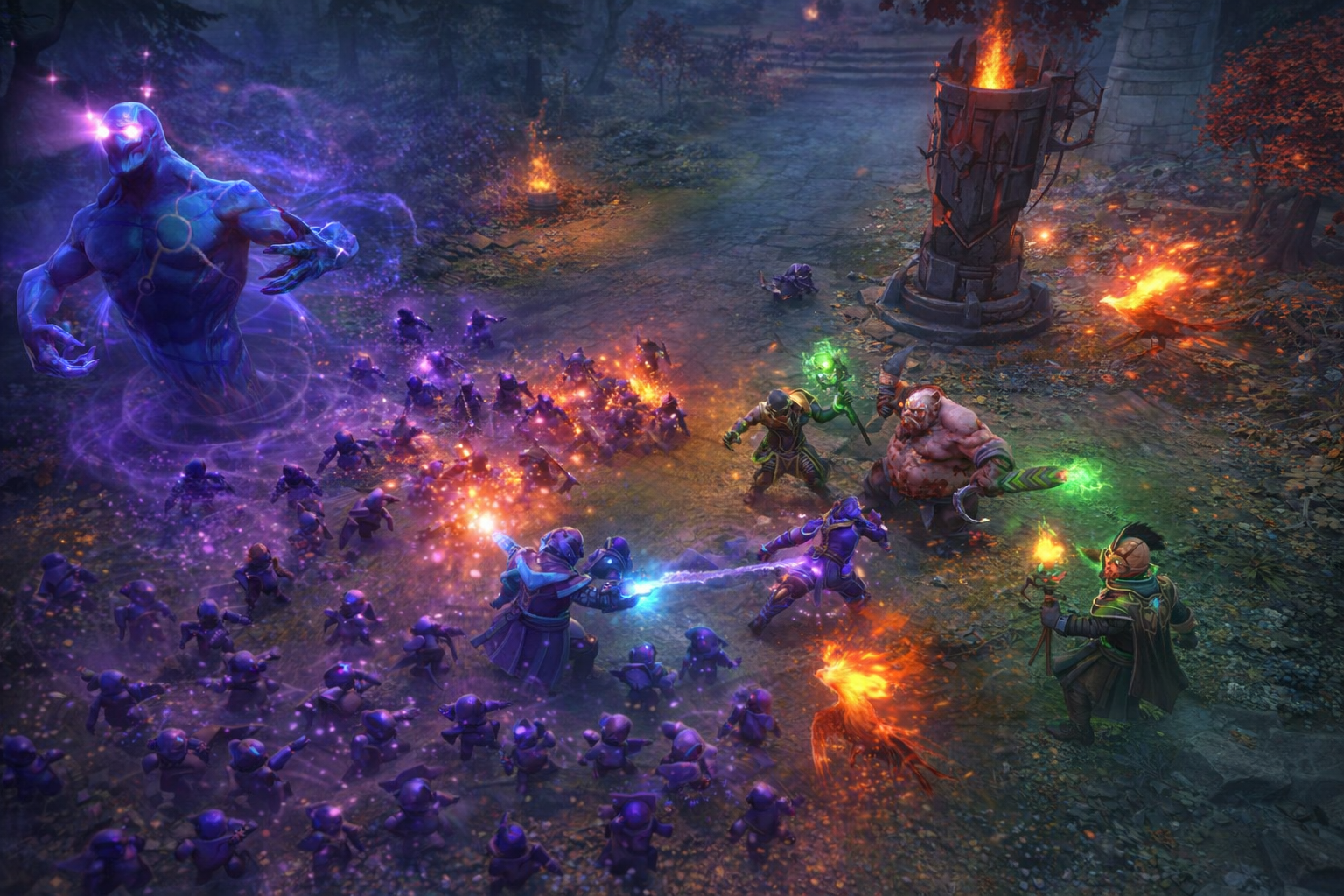
Enigma punishes the exact habits that define pub Dota.
Players under-prioritize summon clear in drafts. Supports let wave control collapse because they are focused on trading hits instead of protecting pull timing. Carries pick lanes that assume the first ten minutes will be stable. Teams forget to punish Black Hole cooldown. Everyone understands Enigma is dangerous, then still groups in the obvious choke because the tower is low and someone pinged go.
Good anti-Enigma play is boring and disciplined. Kill eidolons early when possible. Draft at least one lane hero who can clear units without griefing their own farm. Pressure him during ultimate downtime. Ward the angles he wants before objectives. Make him show on waves before committing to towers. Keep a real cancel or threat outside the first layer of the fight.
Most pub teams manage half of one of those jobs. That is why Enigma feels so oppressive below coordinated levels. The hero asks five players to respect different rules at the same time. One player forgetting spacing can lose the fight. One support failing to contest lane mechanics can lose the carry's first item timing. One passive minute after Black Hole gets used can hand Enigma the next wave of farm.
He also benefits from pub draft laziness. People counter-pick the ultimate and ignore the lane. They pick a stun and assume the problem is solved. Then Enigma wins the first ten minutes so hard that the theoretical counter spends the midgame defending towers instead of sitting behind the fight with perfect patience.
The Answer Is the Whole Package
Enigma is strong because his lane mechanics line up with what safelanes currently want to do, his farming pattern fits the modern offlane, and his ultimate forces a level of coordination pubs rarely maintain. Aghanim's helps. Greedier itemization helps. Remembering that the hero exists helps too, because Dota regularly forgets old monsters until they start stealing MMR again.
The mistake is treating Enigma as a relic whose strength must come from one overpowered button. The hero is winning through accumulation. One denied creep. One bad pull. One camp farmed while the carry recovers. One tower chipped by summons. One fight where everyone stands a little too close because the game has been exhausting for twenty minutes.
That is current Enigma at his best: a scaling offlaner who makes the safe lane miserable, turns small advantages into map pressure, and keeps Black Hole in your head even when it stays uncast. If you give him a quiet lane and a slow game, you are already playing his version of Dota.